Uzbekistan has quietly become one of the most interesting textile sourcing destinations in the world. For international buyers weighing where to place production, it's worth understanding why — and what it means for cost, quality and lead times.
Cotton at the source
Uzbekistan is among the world's largest cotton producers. For a textile buyer, that matters: when the raw material is grown domestically, the supply chain is shorter, and the country has a strong incentive to add value locally rather than export raw fibre.
Over the past decade, that's exactly what has happened. Instead of shipping cotton abroad, Uzbekistan has invested heavily in moving up the value chain — into yarn, fabric, and finished garments.
From fibre to finished goods
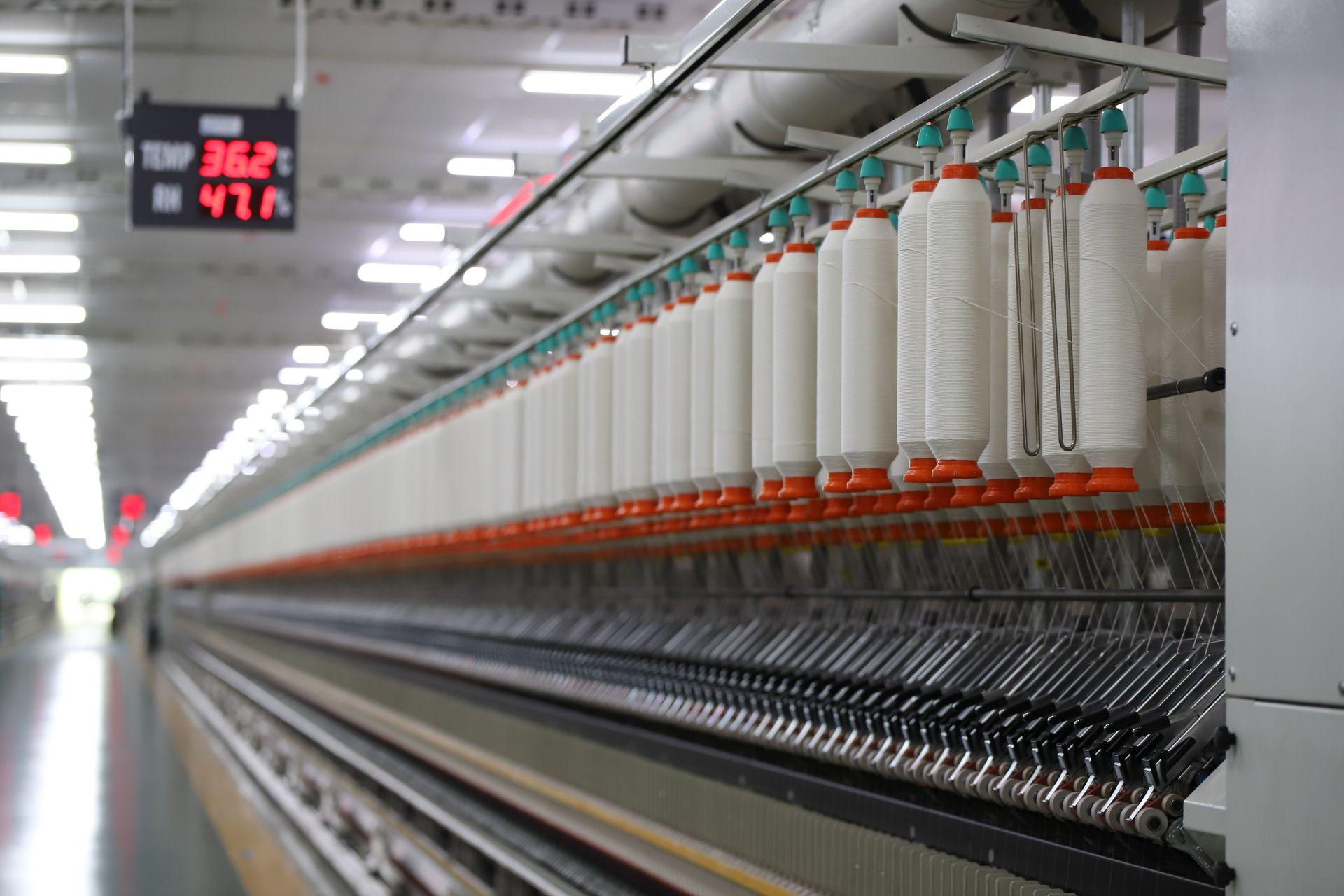
Modern spinning, knitting and garment lines have been built out across the country. The result is a manufacturing base that can take an order from raw material all the way to a finished, packed, export-ready product.
For buyers, this vertical depth has three practical benefits:
- Cost. Fewer intermediaries between cotton and garment.
- Traceability. A shorter chain is easier to verify and control.
- Flexibility. Factories that handle multiple stages can adapt more quickly.
A skilled, growing workforce
A large and experienced textile workforce underpins the industry. Combined with continued investment, that makes Uzbekistan a competitive base not just on price, but on capability.
What this means for buyers
The opportunity is real, but sourcing from any new country carries risk: finding the right factory, holding quality across bulk production, and getting export documentation right. Those are exactly the problems a local sourcing partner exists to solve.
If you're evaluating Uzbekistan for knitwear, home textile, socks or yarn, the smart first step is a conversation about your specific product and volume — not a leap straight into an unknown factory.